
First time at the airport? A complete step-by-step guide
Your first flight brings excitement and anticipation, but often raises plenty of questions too. Where should you go when you arrive at the airport? What happens to your suitcase? How do you find the right departure gate, and what can you expect at security?
At first, an airport can seem like a confusing place full of terminals, information boards and passengers rushing about. However, most departures follow a similar procedure. Once you know the individual steps, you’ll be better prepared and can get through the whole process more calmly.
A stress-free journey, however, begins even before you enter the terminal. As well as your documents and luggage, you’ll need to sort out your airport transfer in good time so that you don’t have to search for a connection at the last minute, worry about parking or lug your suitcases between different modes of transport.
The following guide will take you through the preparations before departure, check-in, security screening, boarding the aircraft and arrival at your destination.
1. Check your documents and luggage
Preparation starts at home. Check that your ID card or passport is valid and find out which document you’ll need in your destination country. For some journeys, additional documents or an entry permit may also be required.
Also check the airline’s baggage allowance. Permitted dimensions, weight and number of luggage items may vary depending on the carrier and the type of ticket.
Pack your documents, mobile phone, any necessary medication and valuables in your hand luggage. Label your checked-in suitcase with your name and contact details in case it is delayed during transit.
2. Complete your flight check-in
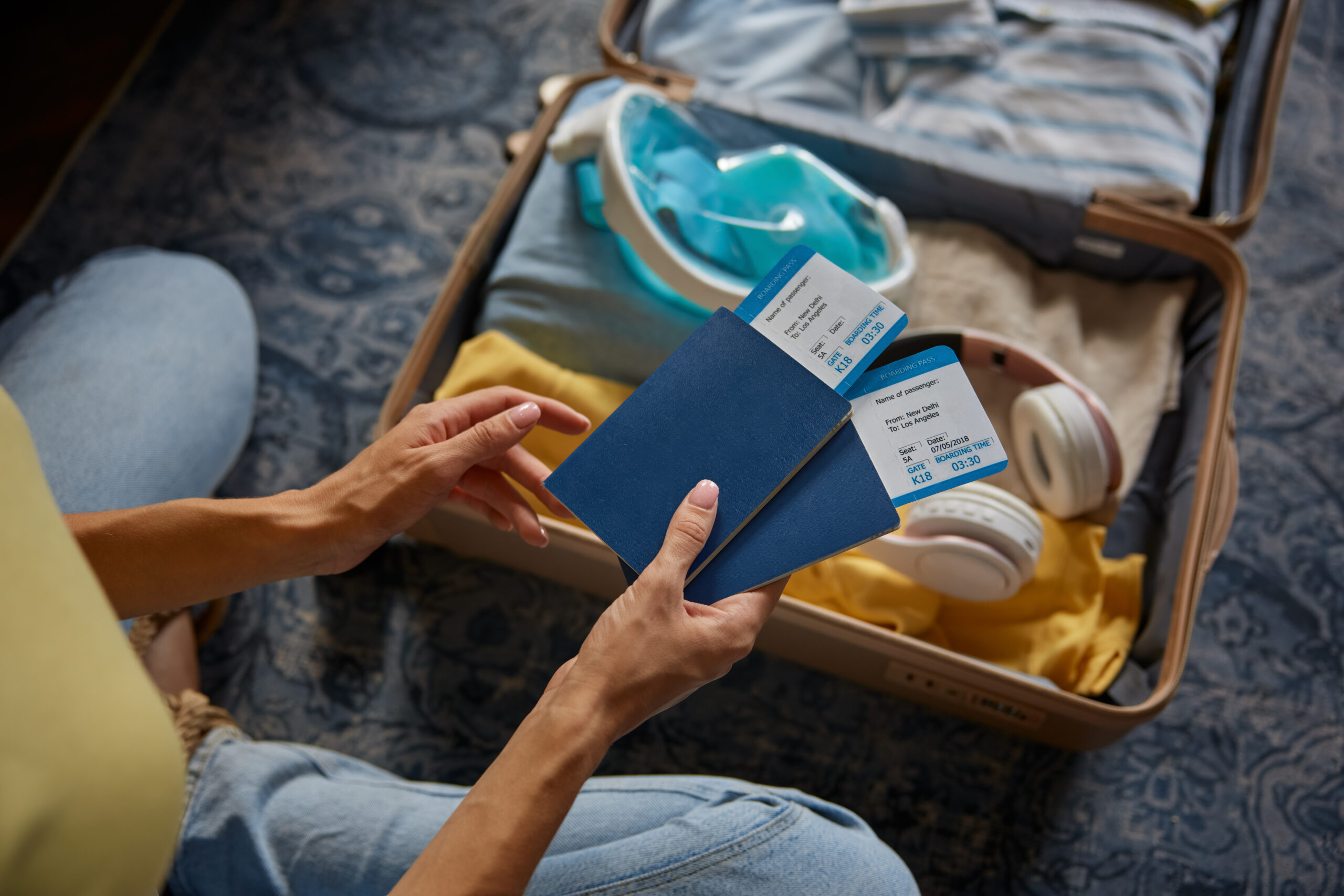
Check-in confirms to the airline that you will be travelling on the flight. Many airlines allow you to check in via their website or mobile app.
Once you have completed check-in, you will receive a boarding pass with a QR code. You can save it on your phone or print it out. If online check-in isn’t available, you can complete it at a check-in desk or a self-service kiosk at the airport.
Your boarding pass will show your name, flight number, seat and other details. However, the departure gate may only be displayed or changed later, so keep an eye on the information screens.
3. Plan your journey to the airport
If it’s your first flight, it’s a good idea to set off with plenty of time to spare. Once you arrive, you’ll still need to find the terminal, check in your luggage if necessary, and go through security or passport control. The time required may vary depending on the airport, destination and airline.
Plan your transport to the airport in advance too. Take into account the amount of luggage, the number of passengers, any necessary connections and possible transport delays.
4. Find the correct terminal on arrival
At Vienna Airport, passenger check-in takes place in Terminals 1, 1A and 3. The correct terminal depends on the specific airline and flight.
You can check this information in advance or on the departure screens upon arrival.
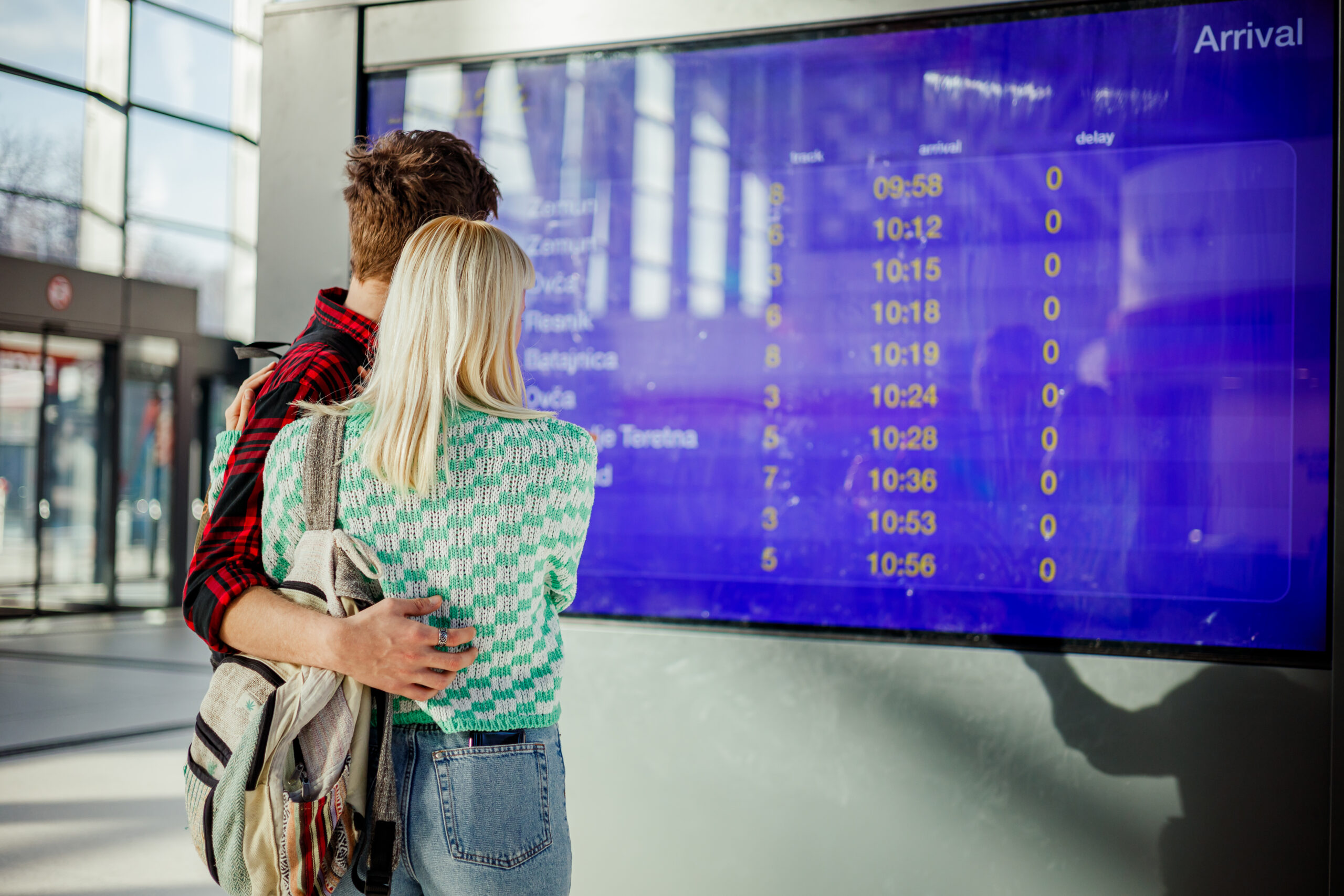
Look for your flight number or destination on the screen. Next to these, you’ll find the check-in desk, the terminal and the current flight status.
The most reliable information is the flight number shown on your booking and boarding pass. This is because several flights may depart for the same destination during the course of a day.
5. Check in your hold luggage
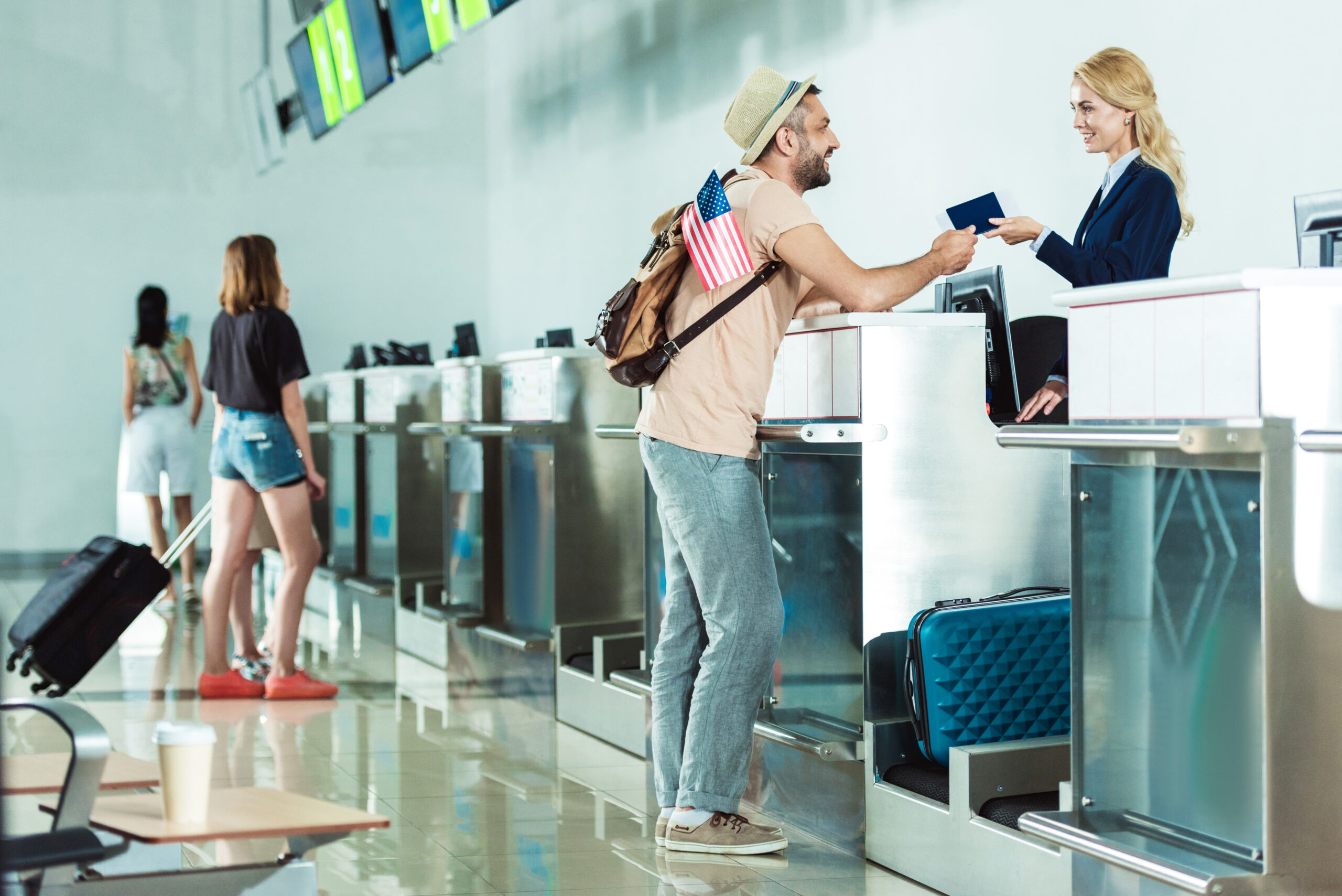
If you are travelling with hand luggage only and have a boarding pass, you can usually proceed straight to security. If you are travelling with hold luggage, you must first check it in at the designated counter.
Staff will weigh your luggage, tag it and send it through the baggage handling system. You will receive a receipt with your bag’s identification number. Keep this safe until the end of your journey, as you may need it if your luggage is delayed or lost.
Before checking in your luggage, check that the suitcase is closed and that you do not have any documents, medication or other items inside that you will need during the flight.
6. Go through security
Before entering the departure area, all passengers must go through security. Have your boarding pass ready and follow the staff’s instructions.
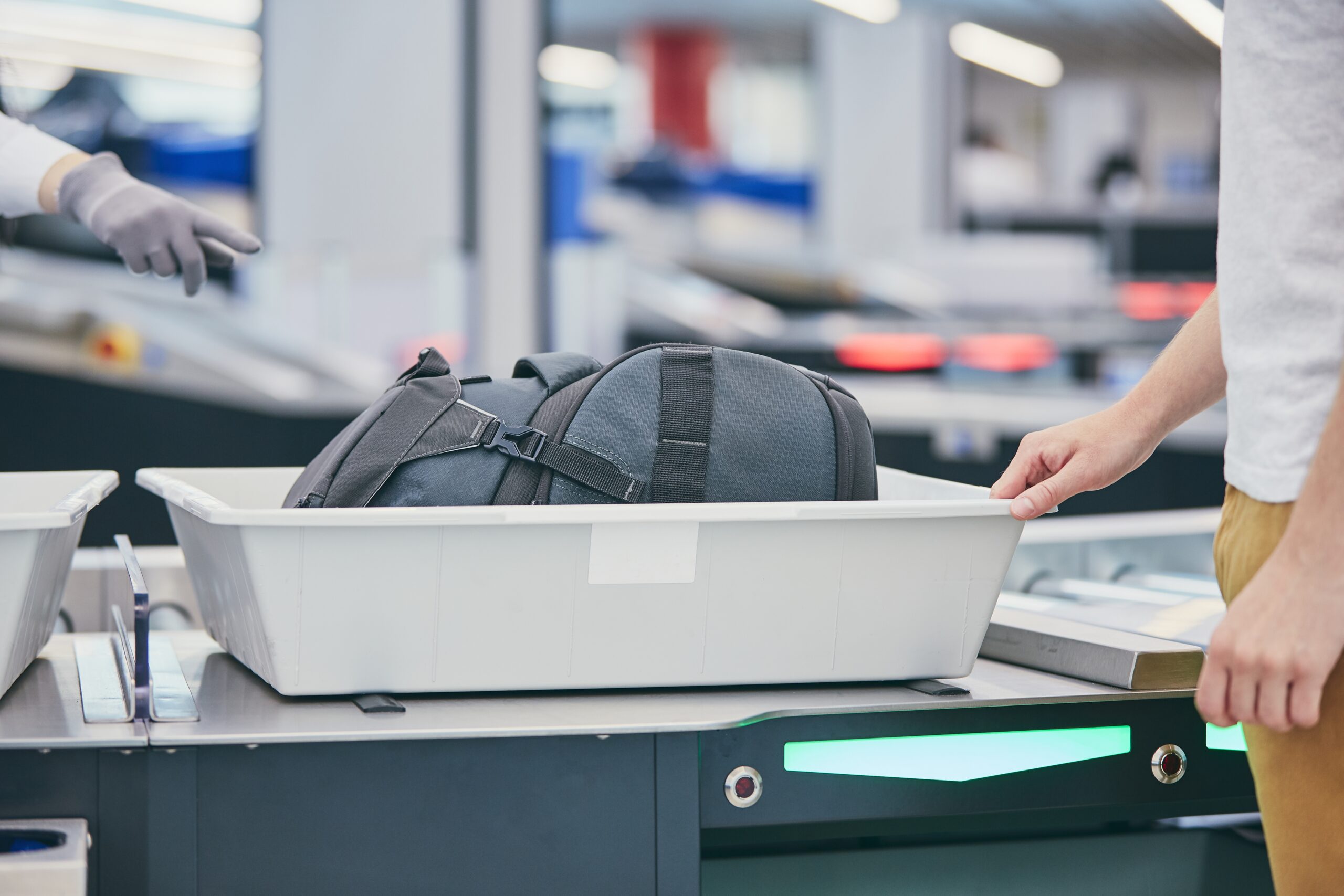
Place your hand luggage, outer clothing and selected items into the provided trays. Depending on current guidelines, you may need to remove electronic devices or liquids separately. You will then pass through the metal detector.
At airports in the European Union, restrictions apply to liquids in hand luggage. Containers with a maximum capacity of 100 ml are generally permitted. Exceptions may apply to essential medication, baby food and special needs. Always check the current rules before travelling.
7. Find your departure gate
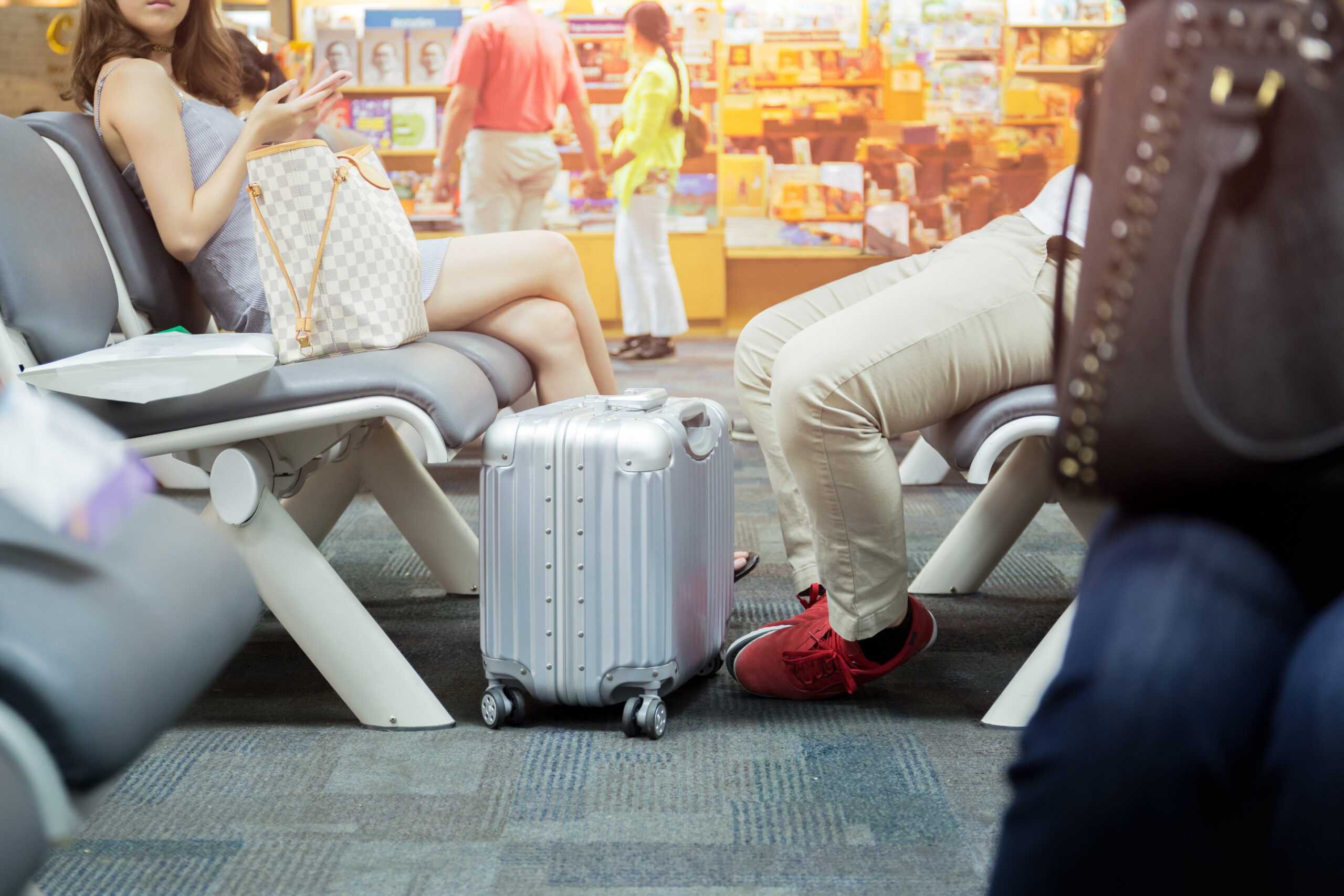
After security, you’ll enter the departure area, which has shops, restaurants and seating areas. First, however, check the screen for the departure gate number, referred to as the ‘gate’.
Some gates may be further away from the security checkpoint. Therefore, first find out which direction you need to head in, and only then plan your refreshments or shopping.
The gate may change even after it has been announced. So keep an eye on the information screens and announcements, even if you already have the gate number on your boarding pass.
8. Get ready to board the aircraft
When boarding begins, staff will call passengers to board in turn. The order may depend on the group indicated on your boarding pass, the type of ticket, or the need for priority boarding.
Have your boarding pass and travel document ready. Once these have been checked, you will proceed directly to the aircraft or be taken there by an airport bus.
On board, find your seat and stow your hand luggage as instructed by the cabin crew. Larger items belong in the overhead compartments, whilst smaller personal items are usually stowed under the seat in front of you.
9. What happens after landing
After landing, please remain seated until the aircraft has come to a complete stop and the crew have given the all-clear for passengers to stand up. Then follow the signs to passport control, baggage reclaim or the exit.
If you have checked-in luggage, look for your flight number on the screens in the baggage hall. The screen will indicate the carousel on which your luggage will appear.
For flights with a connection, follow the signs for ‘Transfer’ or ‘Connecting Flights’. The next steps depend on whether your entire journey is on a single booking and whether your luggage has been checked through to your final destination.
10. What to do if you’re unsure
If you get lost or are unsure what to do next, ask an airport staff member for help. Information desks and directional signs can also help.
Show the staff member your boarding pass or flight number. You don’t need to know all the technical terms or speak a foreign language perfectly. Airport staff are used to helping travellers from different countries.
If there’s something you don’t understand, don’t wait too long. Asking a question in good time is always better than trying to find the right way at the last minute.
Your first flight doesn’t have to be stressful
Once you know the basic procedure, the airport won’t seem so complicated. All you need to do is have your documents ready, check your luggage, keep an eye on your flight number and follow the information boards.
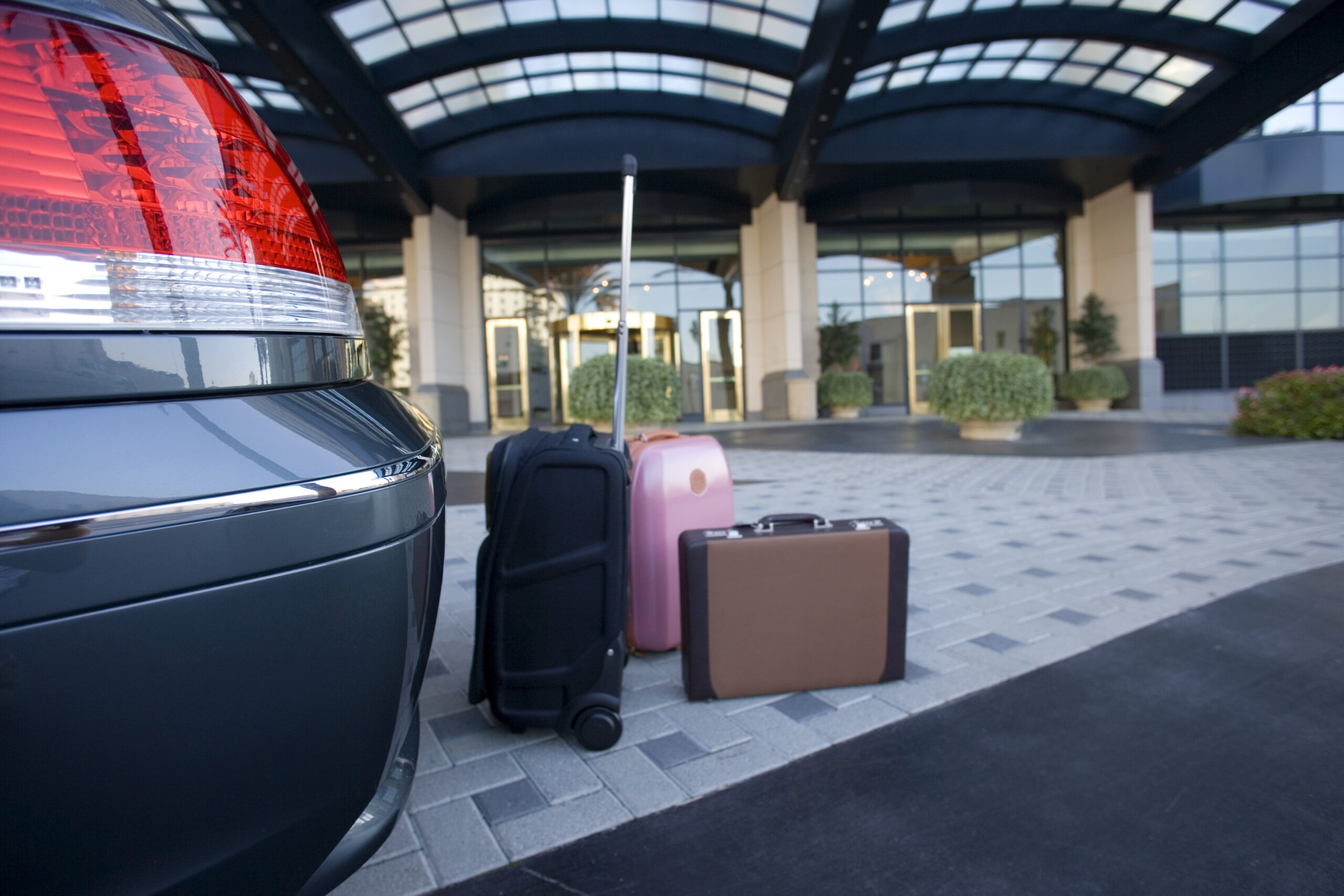
A pre-booked transfer to Vienna Airport will also help ensure a more relaxed start to your journey, as you won’t have to worry about changing trains, parking or carrying your luggage. For passengers travelling from Bratislava, the Bratislava Airport taxi service can be a practical way to get straight to the terminal and start your first flight without any unnecessary stress.
Sources
- Vienna Airport – check-in
- Vienna Airport – security check
- Vienna Airport – airlines and terminals
- European Union – baggage restrictions
- European Commission – rules on liquids in hand luggage
- IATA – rules on passenger baggage
- https://app.envato.com/